Callistemon / Cook
click


Callistemon / Cook
Callistemon / Cook
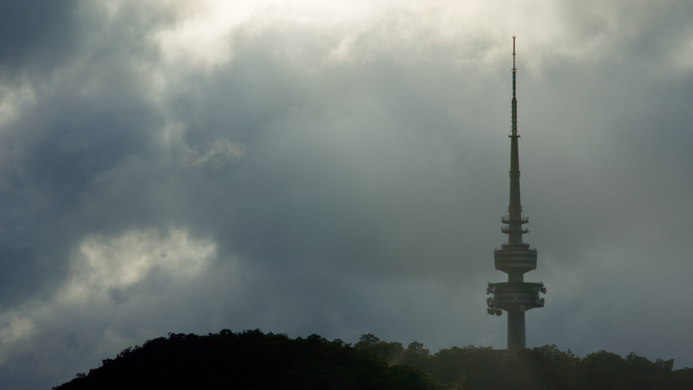
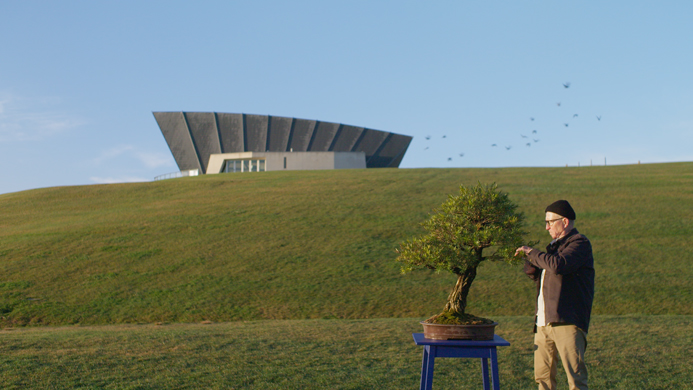
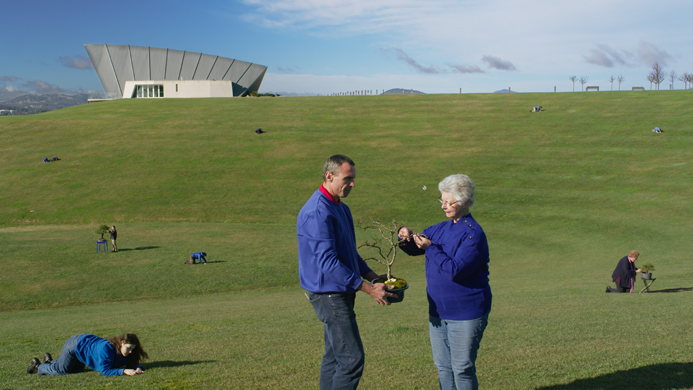
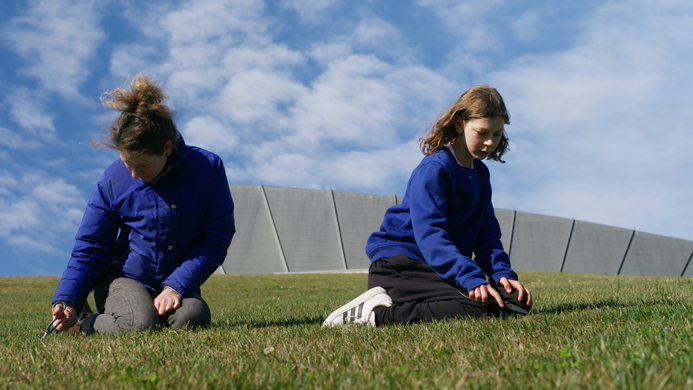
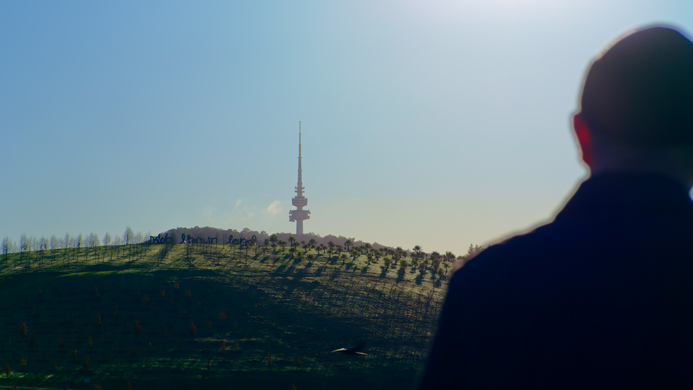
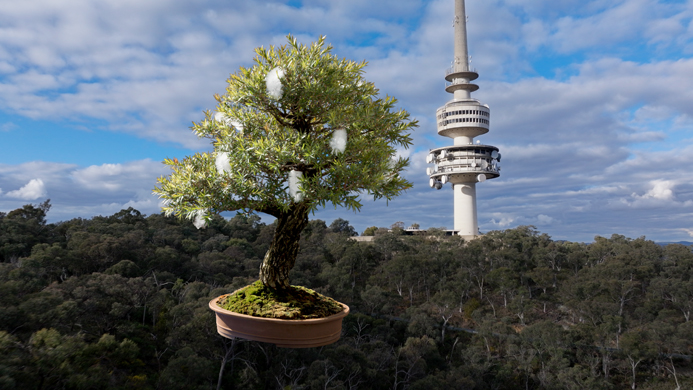
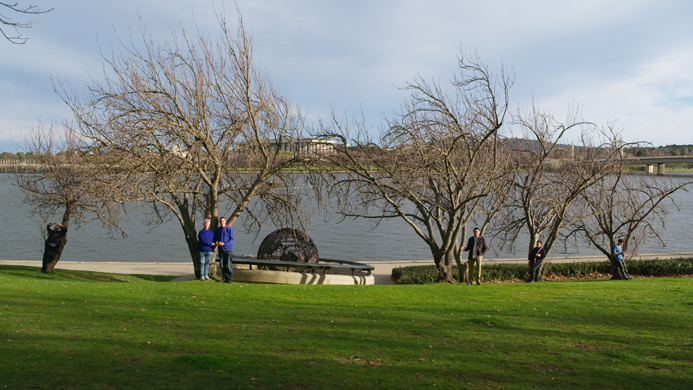
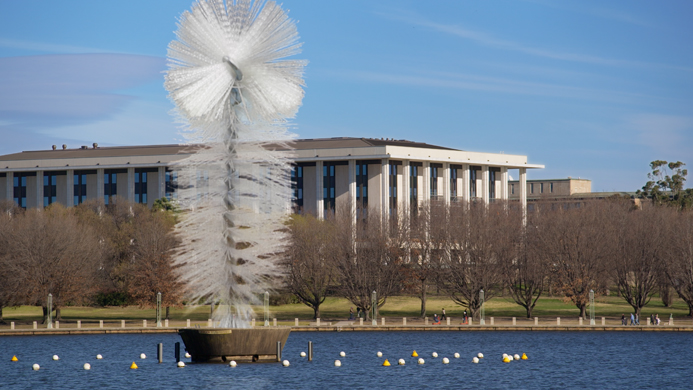
Callistemon / Cook features two Australian native bonsai—a Callistemon viminalis cultivar known as ‘Captain Cook’ (bottlebrush) and a Banksia serrata—as protagonists to consider how living objects carry, contest, and remake history in the present. Filmed in Kamberri, this work draws unexpected connections between three sites—the National Arboretum’s Bonsai & Penjing Collection, Telstra Tower on Black Mountain, and the Captain Cook Memorial on Lake Burley Griffin. Chosen for their colonial entanglements and their uniquely Australian inflection of the traditions of bonsai/penjing; the film considers how vestiges of colonialism persist in ‘ordinary’ things and, by staging acts of careful maintenance, gestures toward meaningful reconciliation. In flight, the ‘Captain Cook’ bonsai is animated not only by the unquiet afterlife of settler colonialism, but also by pressures of the present—where “unforgetting” functions as both a theme and ethic of making. An atmosphere of sunny disquiet suffuses the bright landscape as the small potted plant makes its way to the Captain Cook Memorial Globe and Jet, which foregrounds Parliament House. Subtly, this location recalls the diplomatic work that bonsai/penjing perform—as gifts and ambassadors—holding together the brittleness of hope with the possibility of dialogue about identity, nationhood, and how colonial legacies are remembered and reimagined today.
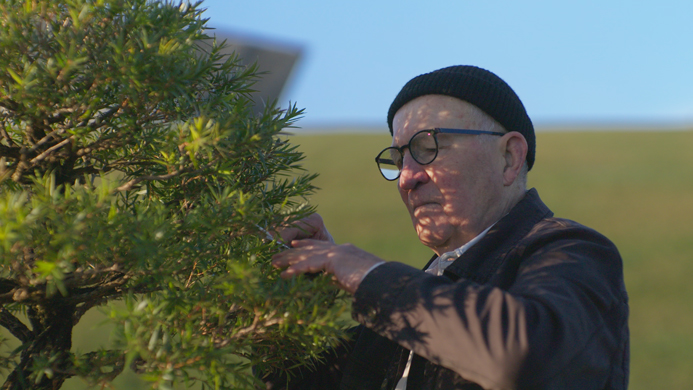
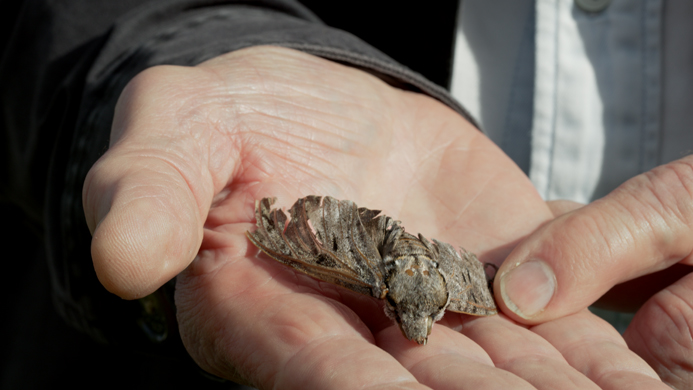
The treatment of the bonsai in the film draws a parallel between Greg Dening’s notion of history as “making a present of the past” and the way traditions such as bonsai and penjing are living, adaptable forms rather than fixed inheritances. By foregrounding ritual acts of maintenance— pruning, watering, wiring, and holding—the work frames care as a method of making that binds humans, plants, and the sacred. This brings forward the practice’s philosophical and spiritual dimensions, where the attentive form-making of manicured trees links human gesture to more-than-human worlds in a lineage inflected by Shinto and Zen thought.
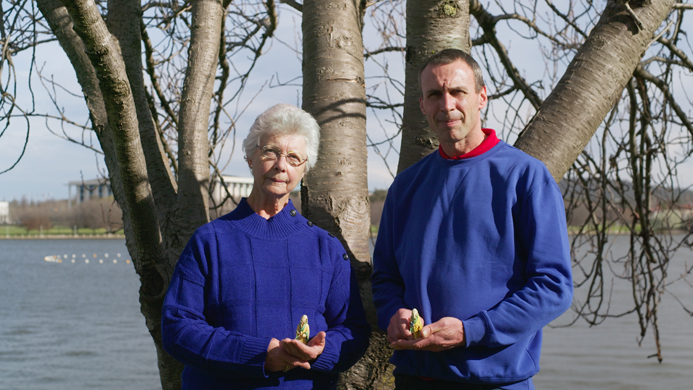
The work took shape through socially engaged, site-responsive methods in dialogue with the Arboretum’s custodians and volunteers (some of whom appear in the film). Days before principal filming, however, management required us to re-apply for approvals already granted—an administrative move that effectively sought to scuttle the project—citing concerns about misrepresenting bonsai/penjing and suggestions to avoid the Cook Memorial. Management also prevented the Arboretum’s curator and assistant curator (who had agreed to be the two principal performers) from appearing or being named in the film. Although the Arboretum sought to distance itself from the collaboration, we were still permitted to use the site as a “venue” and the production proceeded with a short delay. One key change included casting Kershaw’s father as the Arboretum’s curator, adding a personal register to the project and echoing methods central to Kershaw’s practice, in which non-actors play versions of themselves—blurring the boundary between fact and fiction. Additionally, Callistemon / Cook extends earlier projects with ikebana practitioners, continuing Kershaw’s inquiry into the ways human subjectivities are co-produced with nonhuman agents. By animating the ambivalent status of a beautiful tree that also embodies colonial entanglements, Callistemon / Cook seeks to kindle conversations about how Australia’s colonial past is remembered, reimagined, and lived in the present—gently insisting that beauty can hold uneasy truths while still pointing to the possibility that things might be otherwise.
Production Team
| Cinematography | Alex Dufficy |
| Grips | Carlos Grey |
| Sound recording and design | Gail Priest |
| Drone | Cameron Board (Flying Glass Productions) |
| Model Maker | Carlos Grey |
| Consultation | Scott Otto Anderson |
| Postproduction and Compositing | Harley Ives Craig Deeker @ The Gingerbread Man |
Participants/Actors in Video Works
Maria Ines Carrin
Aldi Difinibun
Michael Kershaw
Robyn Lacey
Rodney Lacey
Anton Grabreck
Samantha Jade
Emmitt Lindsay
Ace Rich
Elliat Rich
Golda B Rich
Thank you…
Leigh Taafe (Curator – National Bonsai & Penjing Collection of Australia) for your support with the project + the Canberra Art Biennial team including Niel Hobbs and Tegan Garnett + The Canberra Contemporary Art Space Team + Grant Stevens for the loan of the LCD screen.